
Wait! Don’t Go Yet! 👋
We see you eyeing those adorable outfits! 😍 Before you leave, here’s 10% OFF your first order!
Hurry, your little one’s next favorite outfit is waiting! 🛍️✨
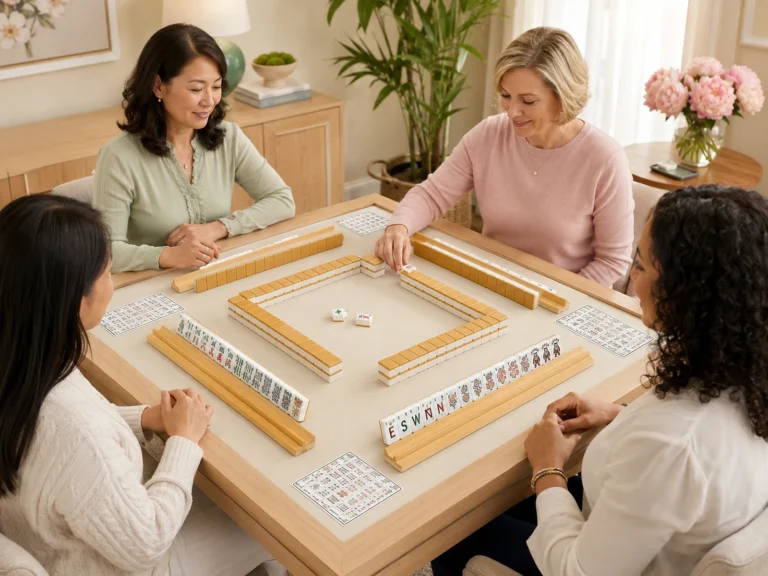
Calling lets you claim another player’s discard, but only for a legal purpose. A call is useful because it completes a needed group; it is costly because the exposure reveals information about your hand.
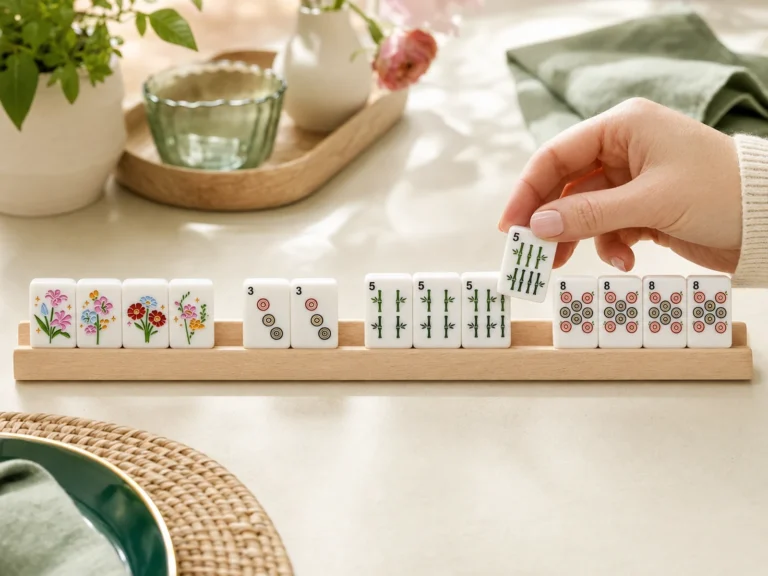
Under standard rules, you may call the most recent discard to complete a group of three or more identical tiles required by your card line:
You generally may not call simply to create a single or pair. You may call any needed tile—including one completing a single or pair—when it gives you a valid Mah Jongg immediately.
Play then continues from you, which may skip players who were between the discarder and claimant.
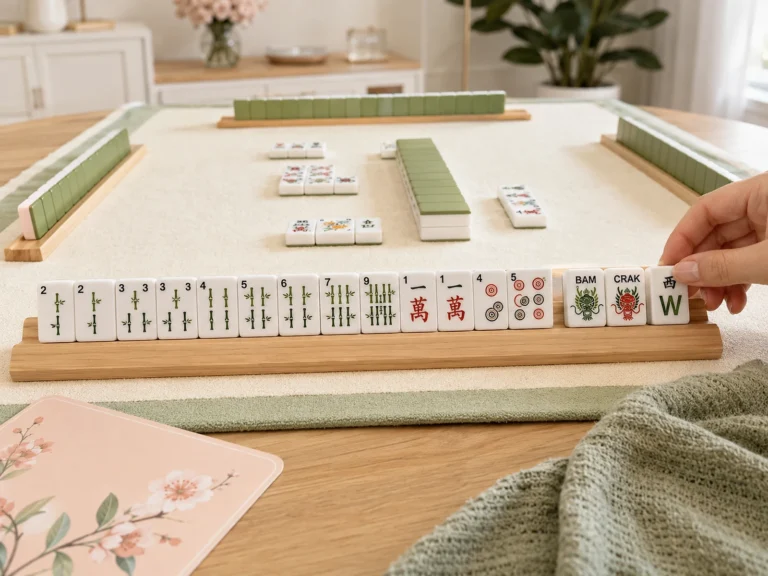
Jokers may substitute in groups of three or more identical tiles, but not in singles or pairs. A discard itself cannot be a Joker because discarded Jokers cannot be claimed. Learn the full exchange rules in How to Use Jokers.
If your target line is marked C, do not expose a grouping. A concealed hand generally may call only the final tile that completes Mah Jongg. Lines marked X permit legal exposures. Review Exposed vs. Concealed Hands before making a risky call.
A valid call for Mah Jongg has priority over an ordinary call. Other conflicts are resolved by the governing rule set, commonly by turn order. Announce promptly and let the table apply its agreed procedure.
If uncertain, keep playing normally. Review how a turn works and strengthen your hand through future draws.
Stable racks keep exposures separate from concealed tiles. Explore American Mahjong tile sets for your home table.
Next: Exposed vs. Concealed Hands
Rules note: Call timing, priority, and correction procedures may vary in tournaments and social games. Follow the current card and governing rules.